About me
Hello! My name is Sharmila. I am a space journalist based in Bengaluru, India. My work has appeared in Scientific American, Nature Astronomy, Science, Space.com, Payload, Astronomy Magazine and other publications.
I cover astronomy research, space missions and the dedicated individuals behind them. I am particularly interested in how the growing amount of junk around Earth—thousands of spent rocket bodies, defunct satellites, discarded hardware, all circling our planet at dangerously high speeds—impacts our ability to observe the night sky and hinders future space exploration.
I hold a master’s degree in journalism from Northeastern University in Boston and freelanced from Seattle, Washington, before moving to India. Before that, I earned a bachelor’s degree in computer science in India and waddled in data science before pivoting to science journalism.
Astronomy has captivated me for as long as I can remember. As a teenager, I channeled that passion through poetry. Later, I began blogging about cosmic phenomena that caught my interest, often through first-person narratives. That blog became a creative outlet, helping me deepen my understanding of astronomy while honing my storytelling voice. Over time, that path led me to write professionally.
Email is the best way to reach me: sharmilak@proton.me. You can also find me on social media platforms X, BlueSky and LinkedIn.

Featured Work

Science, May 2025
After astronomers claimed they found the “strongest evidence yet” for alien life on a distant planet, independent analyses casted serious doubt on the result.
Scientific American, December 2024
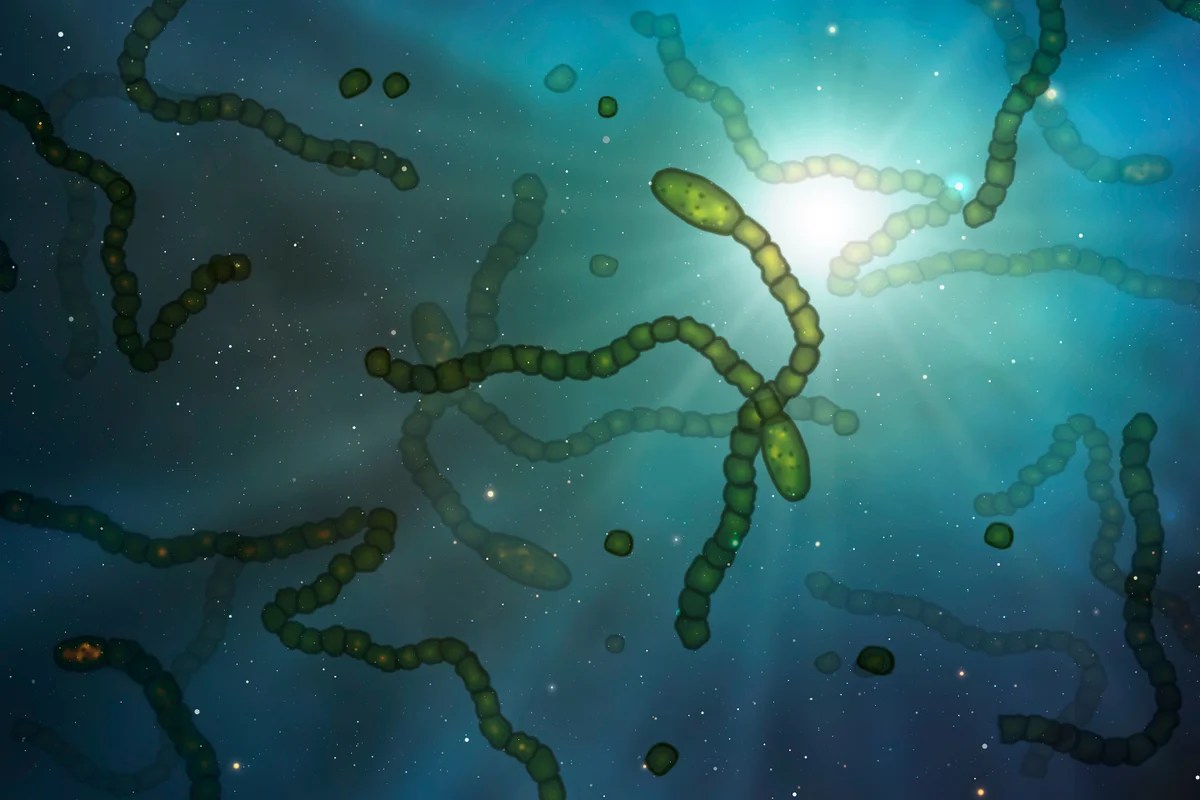
Material from asteroid Ryugu riddled with earthly microbes provides a cautionary tale for scientists seeking signs of alien life.

Scientific American, July 2024
An ambitious U.S. government program is working to detect and track millions of tiny space junk pieces—down to the size of a sand grain—throughout low-Earth orbit and beyond.

NASA VERITAS mission in prolonged wait to kick off ‘decade of Venus’
Nature Astronomy, December 2023
Budget pressures at NASA have rendered the Venus orbiter VERITAS as collateral damage. On subsistence funding, mission scientists worry about the impact of delays on Venus exploration.

Why landing on the moon is still incredibly difficult
Live Science, March 2024
Why major governments and well-funded private companies struggle with moon landing missions over 50 years after the Apollo era.
Space.com, June 2023
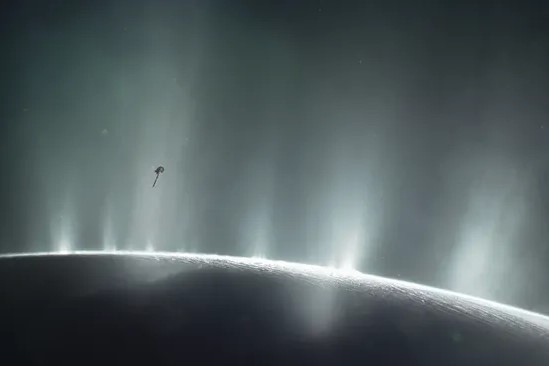
On the discovery of phosphorus — the rarest of six elements upon which life as we know it depends, in a tiny ocean-bearing moon in our solar system.

Astronomy, October 2018
A first-of-its-kind study weighed our home galaxy, the Milky Way, using its satellite galaxies, providing a test for dark matter theories along the way.

Astronomy, November 2017
How the discovery of seven Earth-like planets cast fresh light on overlooked ultra-cool dwarf stars and their potential to harbor life as we know it.
Find more of my work listed here.
 Sharmila Kuthunur